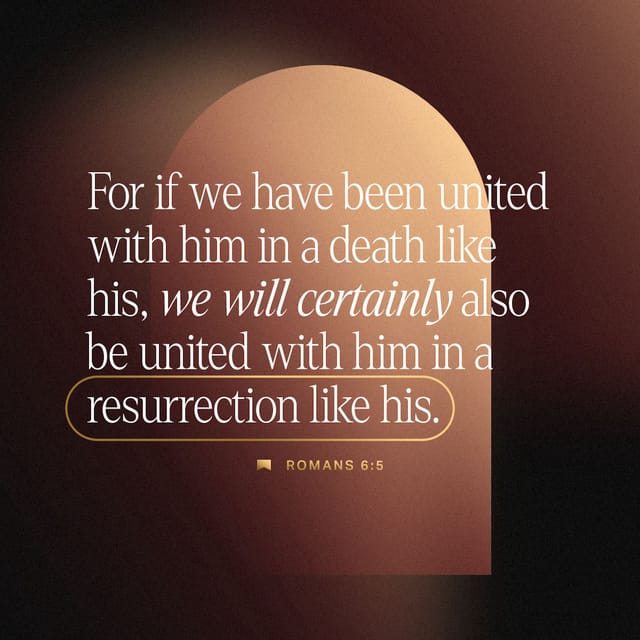
For if we have been planted together in the likeness of his death, we shall be also [in the likeness] of [his] resurrection:
Romans 6:5
Historical lead-up
In the book of Romans, the Apostle Paul addresses the early Christian community in Rome, a diverse group of believers made up of both Jews and Gentiles. At this time, there was much discussion about the implications of faith in Christ, particularly concerning sin and grace. Paul had just explained how sin entered the world and how grace through Jesus Christ offers redemption. His message emphasizes the transformative power of Christ’s death and resurrection, setting the stage for understanding our own spiritual journey.
Why this verse was written
This verse was written to encourage believers to grasp the profound truth of their union with Christ. Paul wanted the Roman Christians to understand that their identification with Jesus in His death also means they share in His resurrection. This message was crucial for a community grappling with their past sins and the new life they were called to live in Christ. Paul aimed to instill hope and assurance that through faith, they are not only forgiven but also empowered to live differently.
True meaning
In Romans 6:5, Paul uses the metaphor of being “planted together” to illustrate the deep connection believers have with Christ. The phrase “in the likeness of his death” signifies that just as Jesus died, our old selves are also put to death. The promise that we shall be “also in the likeness of [his] resurrection” assures us that just as Christ was raised, we too can experience new life. This verse speaks to the transformative power of faith, highlighting that our identity is now rooted in Christ’s victory over sin and death.
Living it today
This verse invites us to reflect on our own lives and the changes that faith in Christ brings. We can ask ourselves: What old habits or sins do we need to let go of? How can we embrace the new life that Christ offers? In our relationships, we can extend grace to others, knowing we have been forgiven. In prayer, we can thank God for the gift of resurrection life and seek His guidance in living out this truth daily. Obedience becomes a joyful response to the reality of our new identity in Christ.
What follows
The verses that follow, Romans 6:6-8, further elaborate on the implications of our union with Christ. They remind us that our old selves are crucified with Him, freeing us from the power of sin. This reinforces the idea that living in Christ means we are no longer bound by our past. Instead, we are called to live in the freedom and hope of His resurrection. This ongoing theme encourages us to continually embrace our new identity and live out the reality of being alive in Christ.
Related: Romans 6:5 — Bible.com (2026-08-18)
Related: Romans 6:5 — Bible.com (2026-08-18)
Related: Romans 6:5 — Young’s Literal Translation (YLT) (2026-08-18)
Related: Romans 6:5 — Catholic Public Domain Version (CPDV) (2026-08-18)
Related: Romans 5:1 — English Standard Version (ESV) (2026-07-16)
Related: Faith at Work / Everyday Calling
Related: John 1:14 — King James Version (KJV) (2026-08-22)
Related: Romans 6:5 — Darby Translation (DARBY) (2026-08-18)
Related: Romans 6:5 — Bible.com (2026-08-18)
Related: Apologetics
Related: The Gospel (Romans Road)
Go deeper with a Verse Study Card — plain words, context, key words, cross-references, and a reflection.
Study this verse
Plain words, context, key words, cross-references, and one reflection question for a single verse.