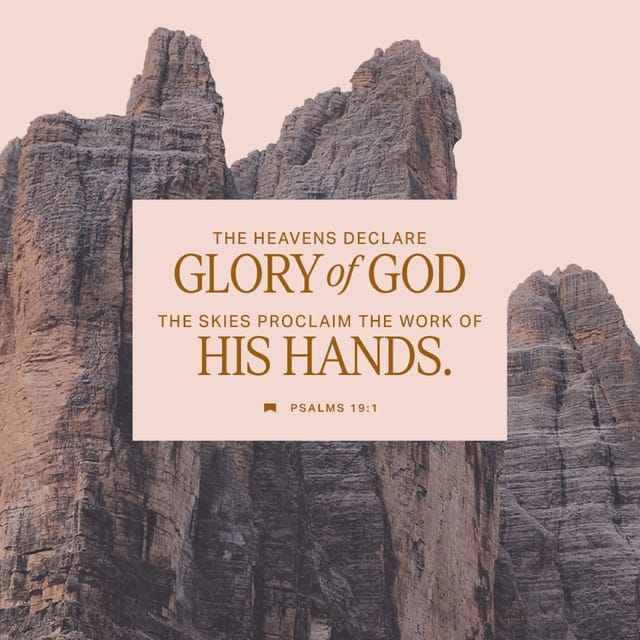
Unto the end. A Psalm of David.
Psalms 19:1
Historical lead-up
The supplied verse identifies the psalm as a psalm of David and includes the heading “Unto the end.” It does not describe a particular event or give enough detail to establish what was happening when the psalm was written. The follow-on lines sound like a prayer for someone facing trouble, asking God to hear and protect them.
Why this verse was written
This verse is a heading rather than a complete statement of the psalm’s message. It names David and marks the psalm for its readers, but the supplied text does not tell us the specific occasion or purpose behind it. We can read the following lines as a prayerful appeal for God’s help.
True meaning
“A Psalm of David” attributes the psalm to David. “Unto the end” is part of the heading in this translation; the verse itself does not explain the phrase. The next lines address the Lord, asking him to hear a person in a time of trouble and to protect and help them. The focus is on seeking God’s care, not on claiming that hardship will never come.
Living it today
When you or someone you love is under pressure, you can bring that need honestly to God and ask for help and protection. You might also offer practical support: listen, pray together, or help with a concrete need. Let this passage encourage trust without treating prayer as a guarantee that every difficulty will disappear. Take time to pray and, if helpful, discuss with your group what asking God for help looks like in your circumstances.
What follows
The following verses continue as a prayer for the Lord to hear in a day of trouble, protect the person, send help from the sanctuary, and remember their offerings. Together, these lines express dependence on God and confidence in seeking his care. Today, they can guide us to pray for people in distress and to support them with compassion and practical help.
Related: John 1:14 — Catholic Public Domain Version (CPDV) (2026-08-22)
Related: John 1:14 — King James Version (KJV) (2026-08-22)
Go deeper with a Verse Study Card — plain words, context, key words, cross-references, and a reflection.
Study this verse
Plain words, context, key words, cross-references, and one reflection question for a single verse.